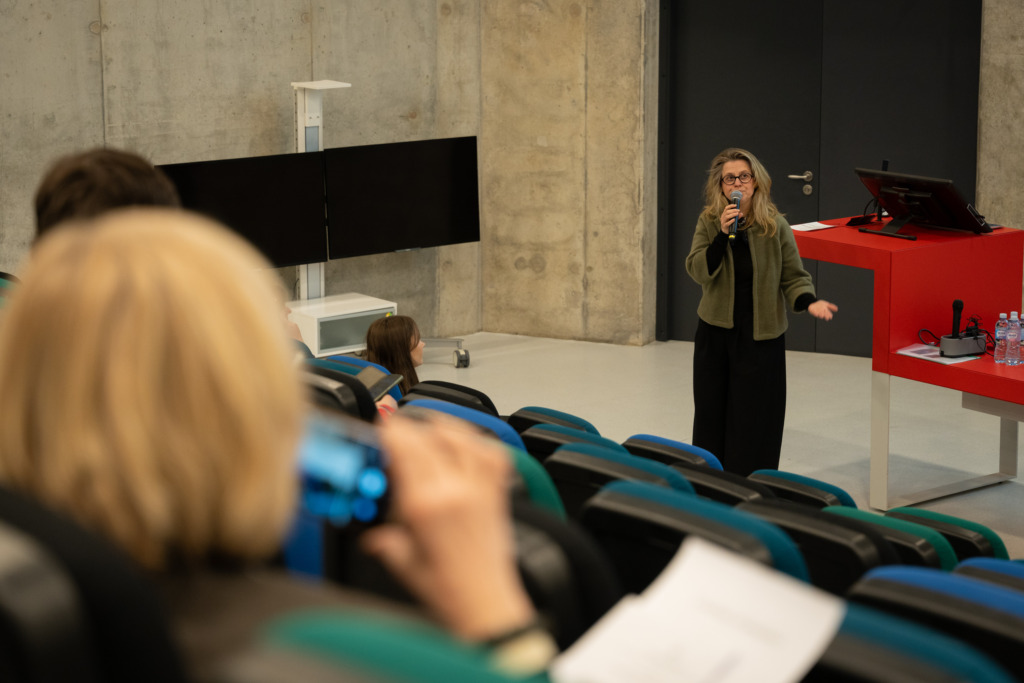
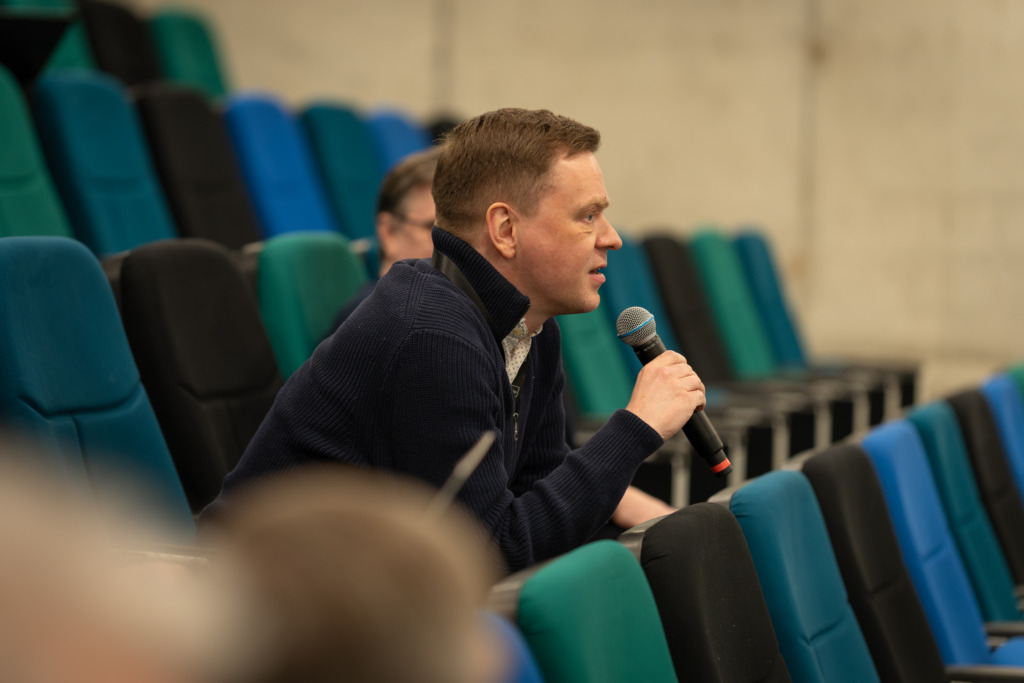
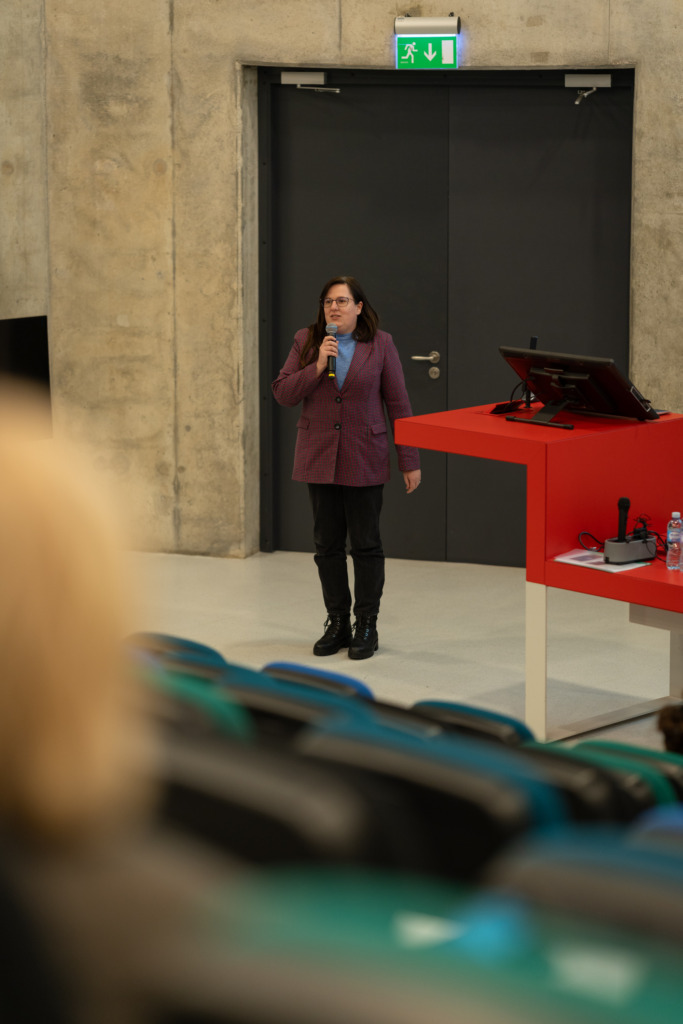
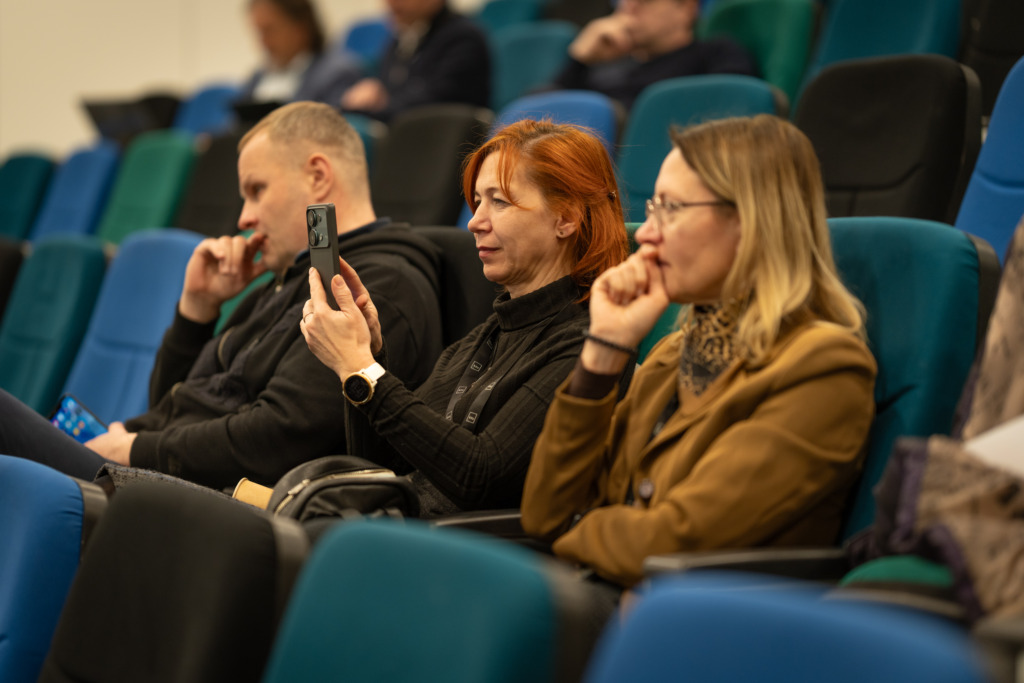
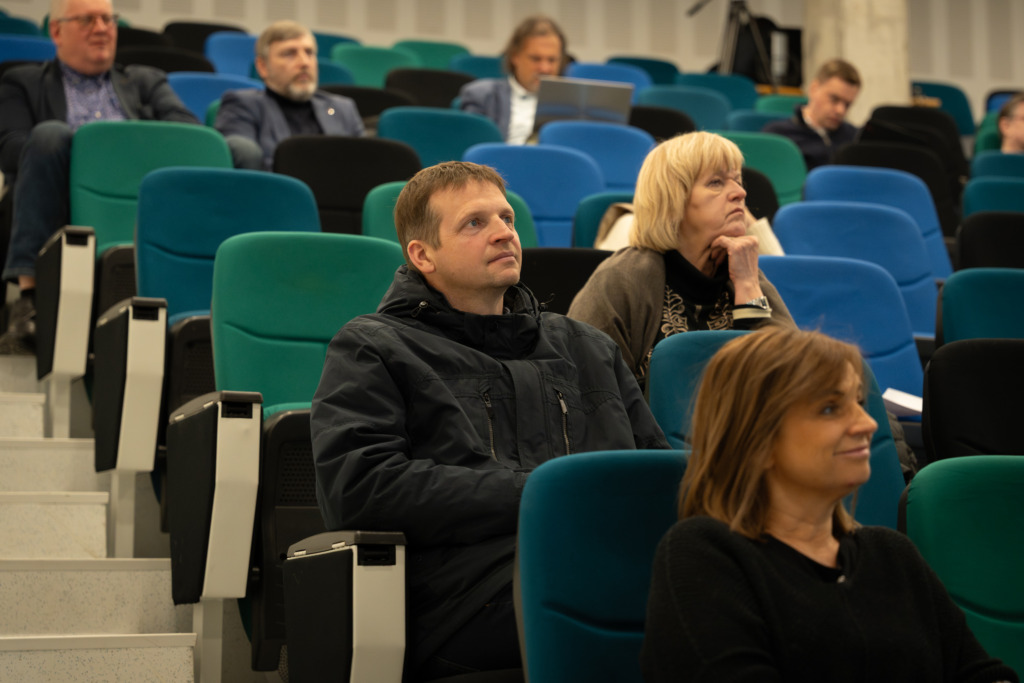
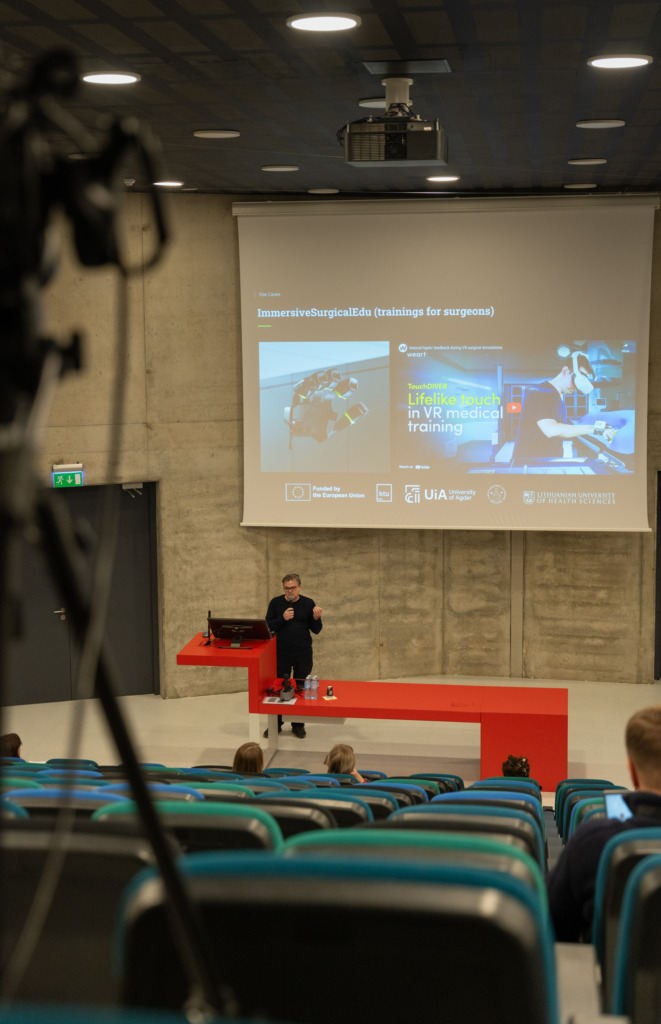
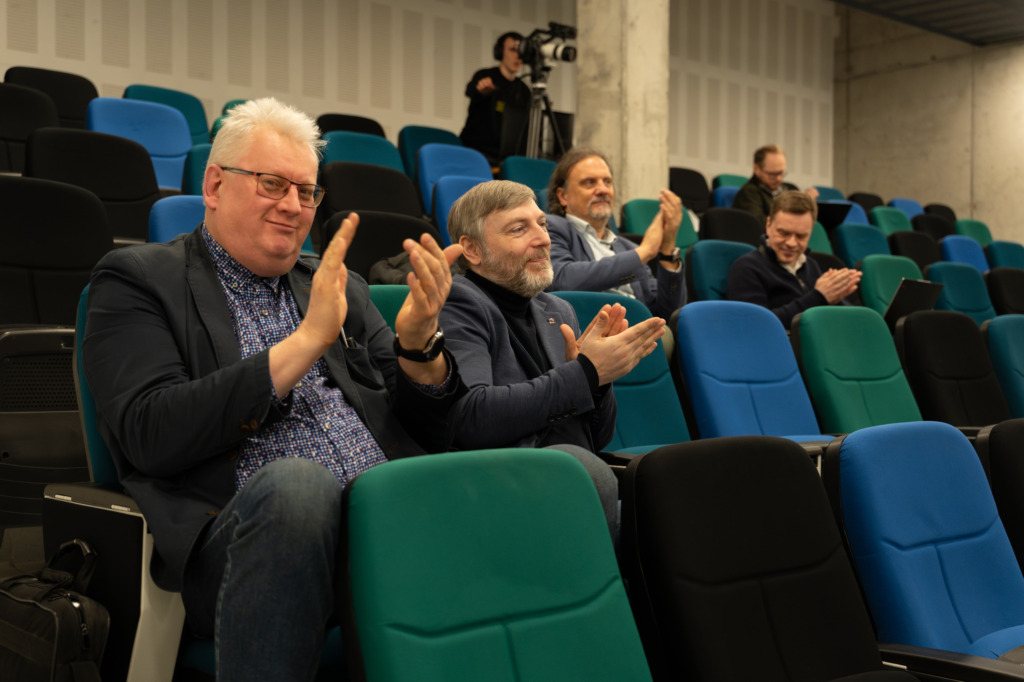
On February 5th, Kaunas University of Technology (KTU) Faculty of Informatics hosted an international scientific seminar “Inclusive Education Technologies and Applications”, bringing together lecturers, researchers, and education practitioners from Lithuania and abroad. The speakers discussed their professional experiences supporting students with special educational needs and the challenges every educator faces.
From theoretical insights to practical examples
The event discussed current challenges in inclusive education, the potential of artificial intelligence, and technological solutions to enhance accessibility and flexibility in learning, including for students with special educational needs.
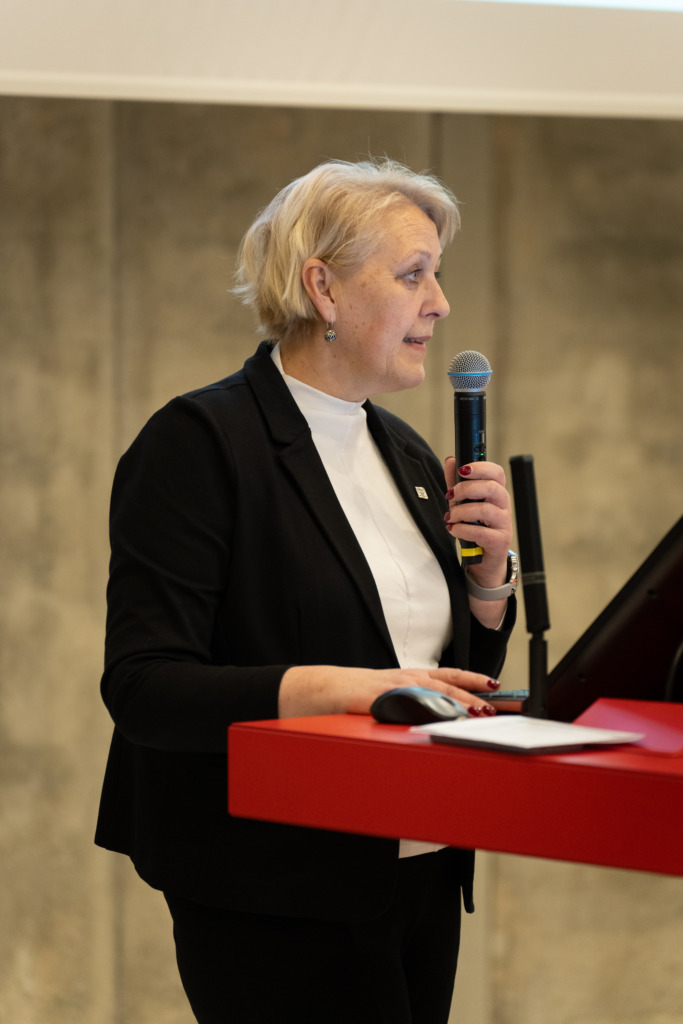
In his welcoming speech, KTU IF Dean Jonas Čeponis emphasized the importance of inclusive education in modern education. According to him, technology is becoming an integral part of education today, but its use must be grounded in a clear understanding of learners’ needs.
Research insights: the situation of inclusive education in Europe
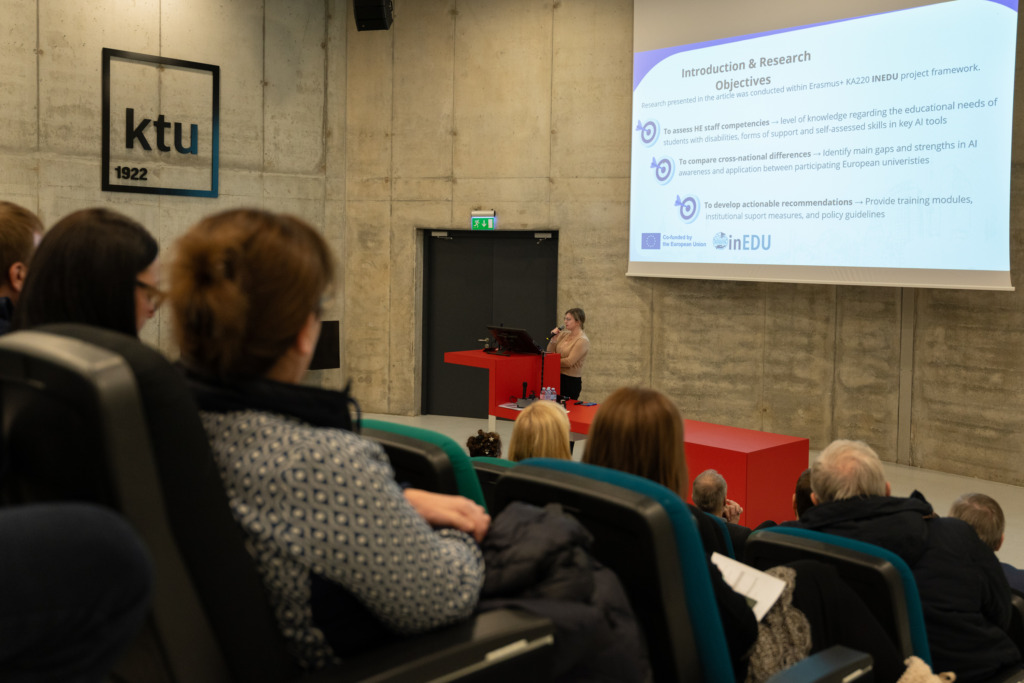
Inclusive education in a university context is increasingly associated not only with the accessibility of studies but also with the culture, attitude, and responsibility of the institution towards each member of the community. Scientific research enables a systematic assessment of how inclusive education is implemented across countries and the factors that determine its success in practice.
Artificial intelligence – an aid to teachers
As the world changes, academic communities also must adapt to ongoing technological changes and strive to gradually integrate artificial intelligence (AI) into the learning process. AI is increasingly seen as a tool that can help teachers individualize the learning process.
One of the biggest challenges in inclusive education is the workload of teachers. Every day, they face the challenge of teaching 20-30 students in one class, each with different needs, personal abilities, and talents. Teachers are happy that AI can help in such cases — it instantly simplifies complex texts, creates visualizations, or explains tasks in more detail for those who find learning more difficult.
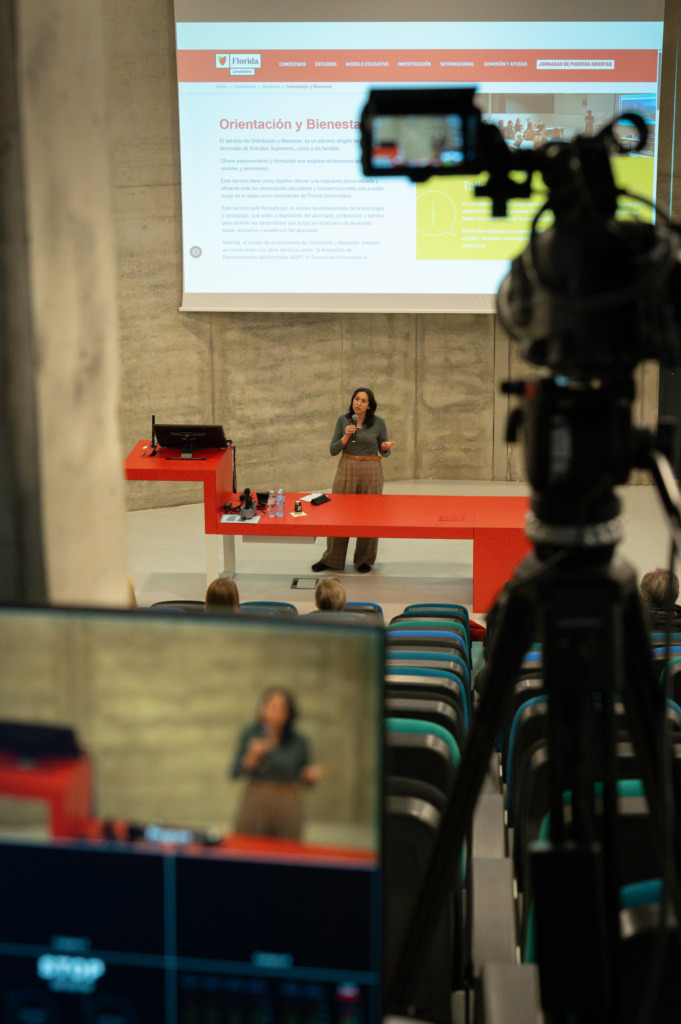
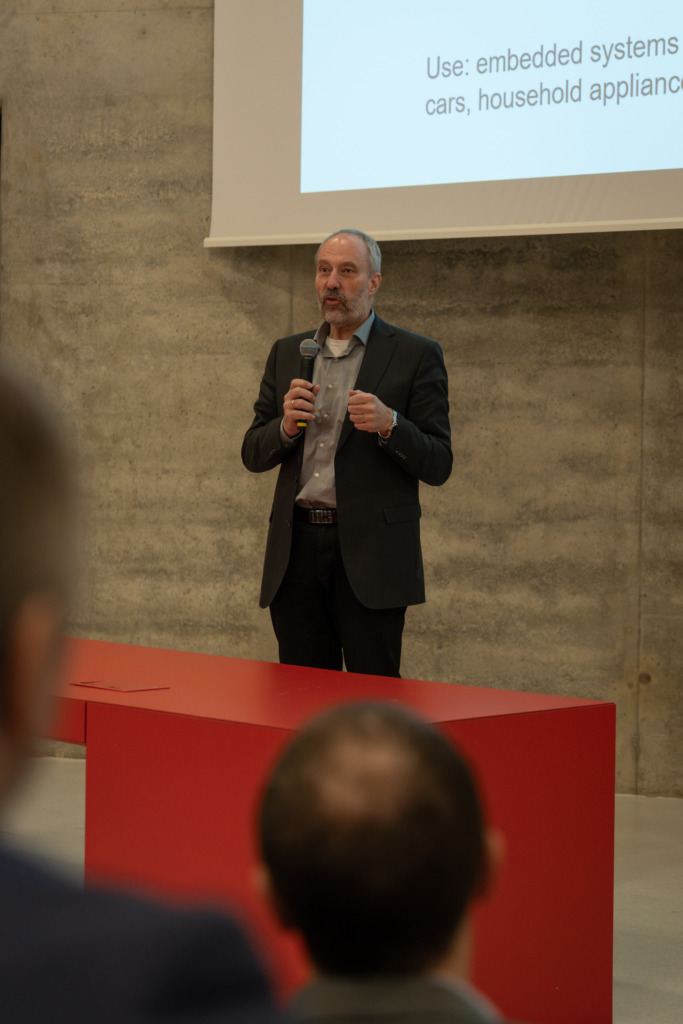
Gerhard Fischerauer (Germany) spoke about this during the seminar, presenting AI-based practices that help personalize the learning process, while Maria Pilar Ortega Leal (Spain) discussed useful AI tools designed to facilitate teachers’ work and differentiate teaching content.
The presentations emphasized that AI solutions can be an important aid to educators, but their application must be based on pedagogical principles and ethical considerations.
Inclusive education scenarios: KTU experience
Institutional experience and practical examples provide a better understanding of how inclusive education ideas can be implemented in real study situations. KTU IF Vice-Dean for Science and one of the main organizers of the event, Prof. Daina Gudonienė, not only reviewed inclusive education scenarios in her presentation, but also emphasized the importance of community spirit.
Practical experience and prospects
It is important to understand that inclusive education is a continuous process. Technology can help not only students with disabilities, but also older students to stay motivated by providing them with interactive and modern tools. The school of the future is one where technology becomes “invisible” but omnipresent support.
Inclusive education is inseparable from international cooperation, which allows for the exchange of good practices and the development of joint solutions in the global context of education. It is an interdisciplinary field that requires close international dialogue to address the challenges arising in each country.