
Skip to content
Orange background with three connected white building blocks and the text “9 Industry, Innovation and Infrastructure.” Represents the development of resilient infrastructure and sustainable industrialization.
Navy background with five interlinked white circles forming a flower-like shape, and the text “17 Partnerships for the Goals.” Illustrates the goal of strengthening global partnerships to support sustainable development.

KTU Faculty of Informatics Hosts European COST “BEiNG-WISE” Meeting on Cybersecurity

Important | 2026-07-08

On June 25th–26th, the Faculty of Informatics at Kaunas University of Technology welcomed researchers and experts from across Europe to KTU M-Lab for the COST Action CA22104 BEiNG-WISE meeting. The event focused on current cybersecurity challenges and explored how technological solutions can be combined with insights from human behavior, social sciences, ethics and law.

Cybersecurity Beyond Technology

For the faculty, hosting this COST meeting reflects its research direction, where cybersecurity is viewed as more than a purely technical field. According to Assoc. prof. Rasa Brūzgienė, a member of the CA22104 management committee from the KTU Department of Computer Science, said that the BEiNG-WISE project is particularly important for strengthening the faculty’s international role in this area. “BEiNG-WISE is significant for the KTU Faculty of Informatics because it strengthens our international visibility in cybersecurity and next-generation wireless network research. It gives KTU researchers an opportunity to work closely with European partners, develop interdisciplinary research, and contribute to safer, more human-centered technologies,” said R. Brūzgienė.

Professor Šarūnas Grigaliūnas, one of the local organizers, also highlighted the importance of the event: “This COST meeting is significant for us because it clearly demonstrates our direction – we understand cybersecurity not only as a technical discipline, but as a matter of human, technological, and societal trust.”

He also added that one of the project’s main goals is to strengthen cooperation between researchers working on future cybersecurity solutions. “The cornerstone goal of the project is to connect European researchers and practitioners who are developing safer, more reliable, and human-centric cybersecurity models for next-generation wireless networks.”

Productive Work at KTU M-Lab

During the two-day meeting at KTU, participants worked in Management Committee sessions, technical working groups, and World Café discussions, exchanging research ideas and aligning future project activities.
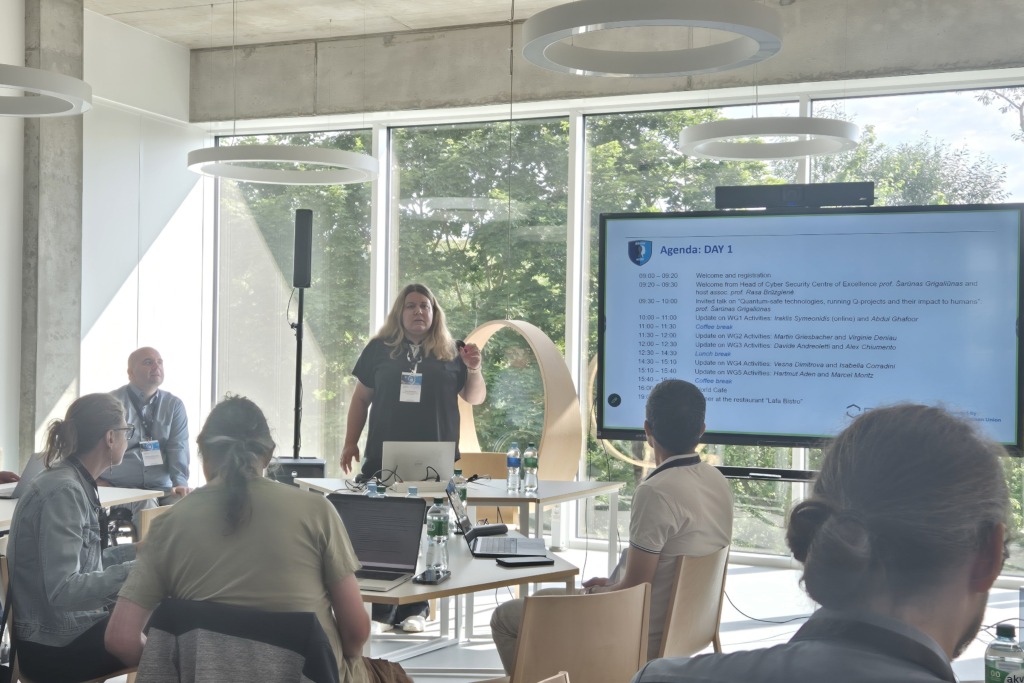
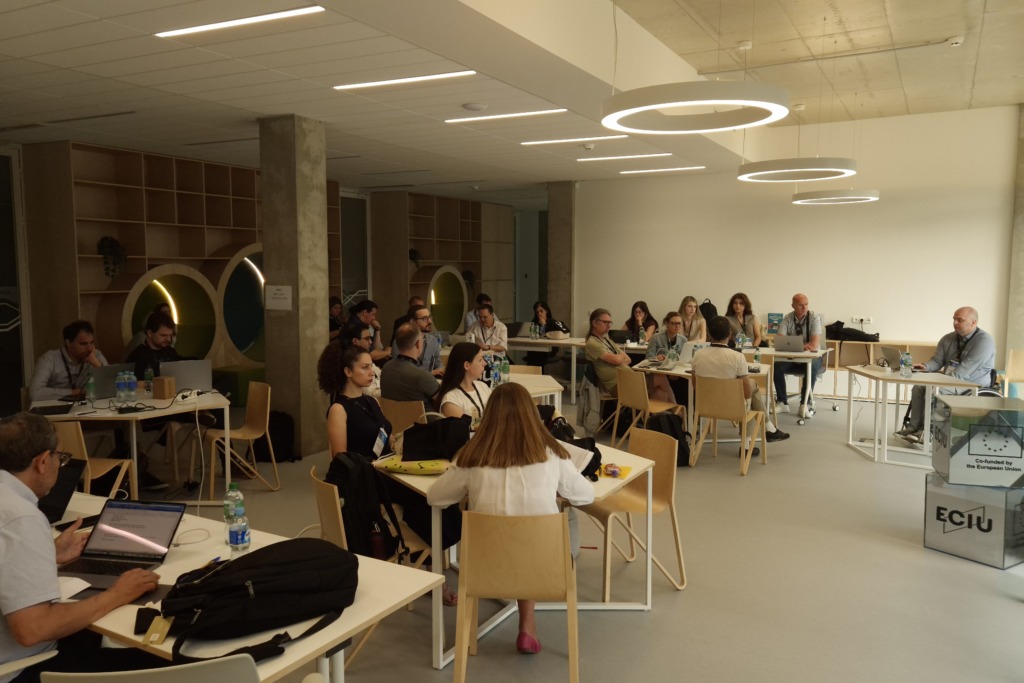
“These two days were very intensive and productive. During the Management Committee and technical working group meetings, we discussed a wide range of topics, from Quantum-safe stack to human-centric cybersecurity, that align perspectives from different countries and disciplines, and we sought common solutions. I am pleased that KTU became a space where new ideas emerged and partnerships were strengthened,” said Rasa Brūzgienė.

Moment from COST meeting

Different Disciplines, Shared Goals

One of the defining features of the project is its interdisciplinary approach. According to the Action Chair, Dr. Valeria Loscri, bringing together experts from engineering, psychology, criminology, law, and other fields has created valuable opportunities to learn from different perspectives.

She shared an example from an early discussion with a colleague: “When we began to discuss, we started to speak about, for example, sustainability. For me, sustainability is related to the environmental impact of technical solutions. And she was speaking about sustainability, but for her, sustainability immediately meant social sustainability. This permitted me to look at the same thing, but from a different perspective.”

Although researchers initially faced challenges because each discipline used different terminology and approaches, the collaboration has become much stronger as the project has developed.

Looking to the Future

As the project moves forward, participants hope its impact will extend beyond research collaboration. Dr. Loscri believes the experience gained could help shape future cybersecurity education across Europe.

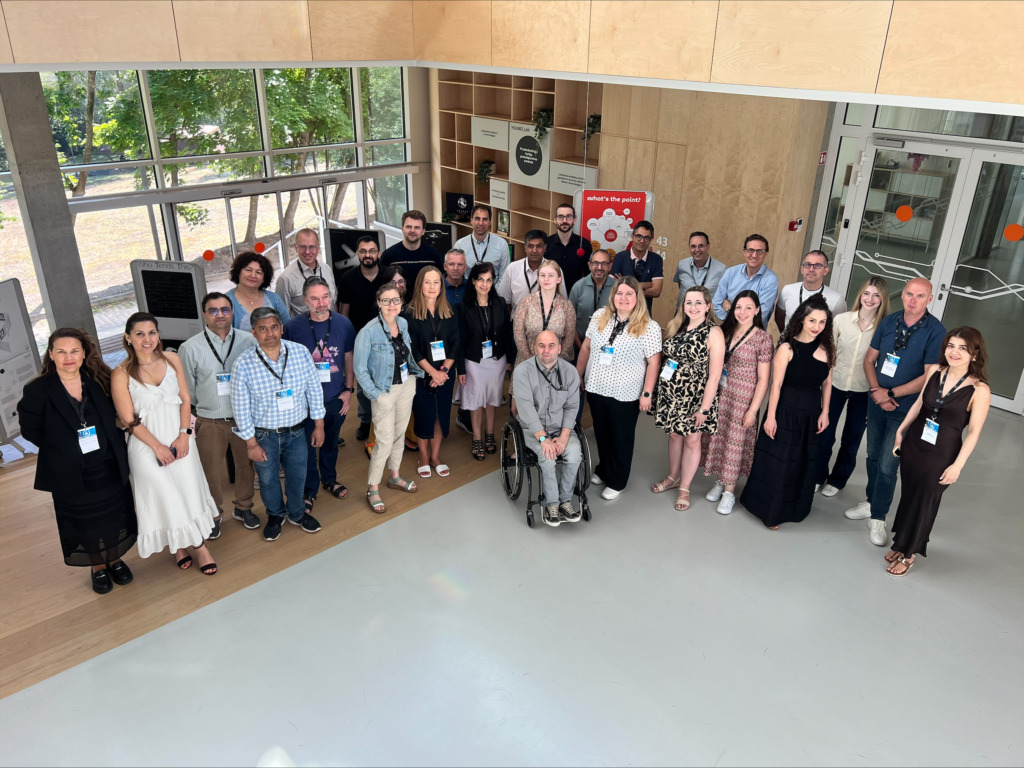
Moment from COST meeting

“My hope is that what we have built now could continue and could give the idea to build multidisciplinary training.”

The meeting also gave European researchers an opportunity to learn more about Lithuania’s research community. Reflecting on her first visit to the country, Dr. Loscri described discovering the research environment at KTU as “a genuine discovery” and said it opened new possibilities for future cooperation.