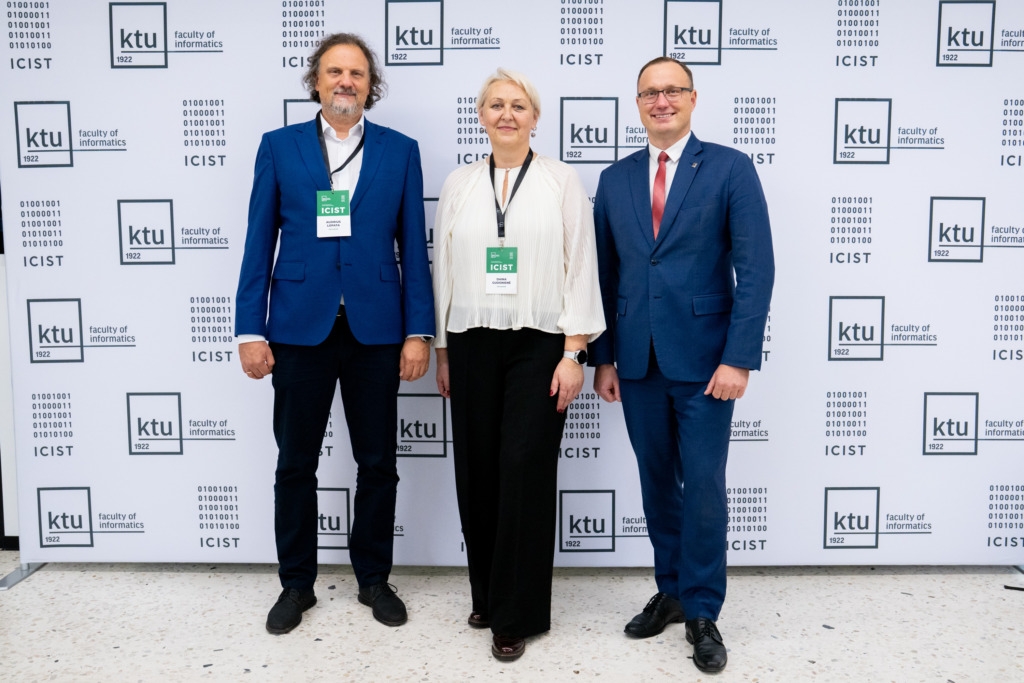
On October 15th–16th, Kaunas University of Technology hosted the International Conference on Information and Software Technologies (ICIST 2026), bringing together researchers, academics, and professionals in information technologies, software engineering, and data analytics from across the globe.
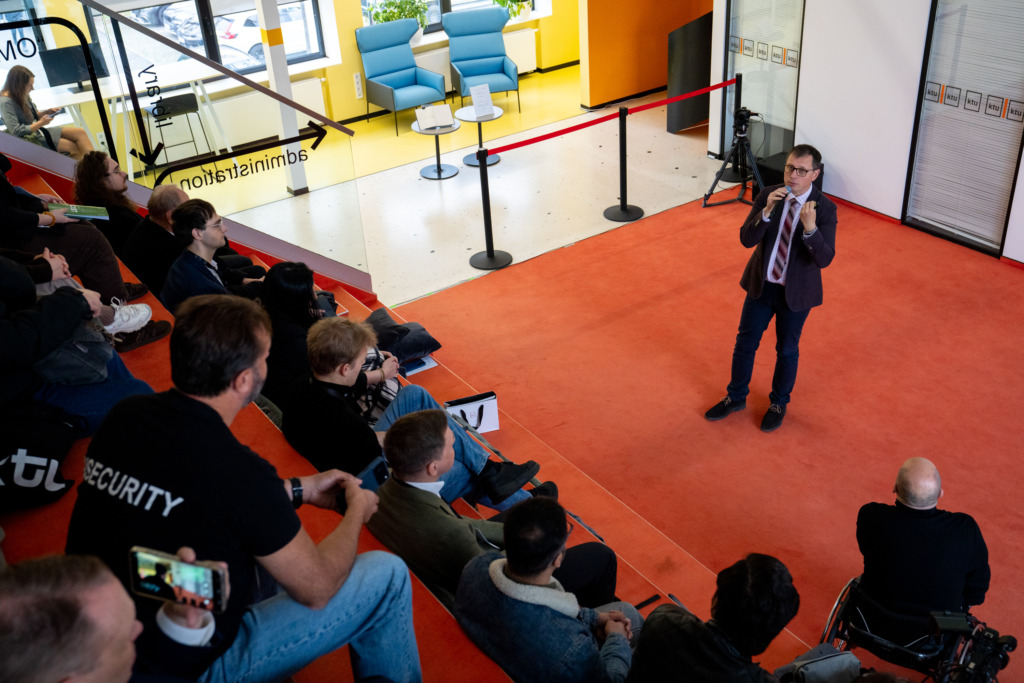
Dr. Leonas Balaševičius, Director of the Research Department at Kaunas University of Technology, opened the conference and emphasized the significance of the topics addressed and their impact on society. “Today, we have a great opportunity to review areas that are highly relevant right now: artificial intelligence, cybersecurity, and other technologies that are rapidly and dramatically changing our lives.”
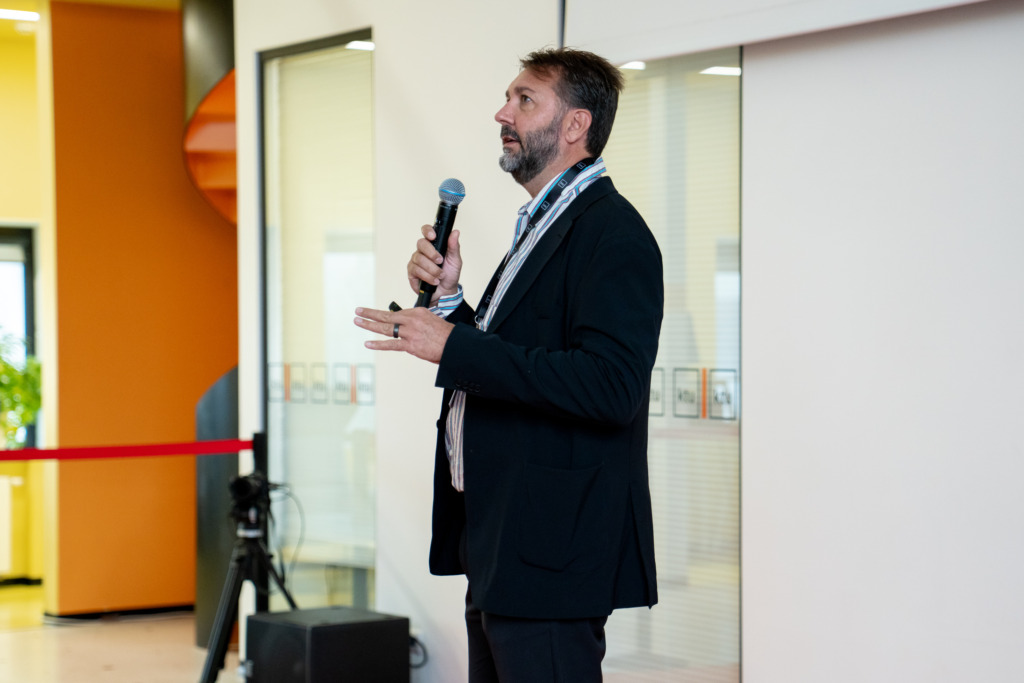
Discussing the growing influence of AI systems, Prof. Woźniak highlighted the responsibility of developers and technology owners: “Now everything depends on the model owner: how ethical the model owners are. If you are an ethical programmer or an ethical engineer, you will block certain inappropriate behaviors.”
The data analytics sessions featured research on machine learning\-based prediction of urban quality indicators, hate speech detection in the Lithuanian language, explainable anomaly detection systems, and visibility optimization for generative search engines. Researchers also discussed advances in computer vision, natural language processing, and the application of large language models across various domains.
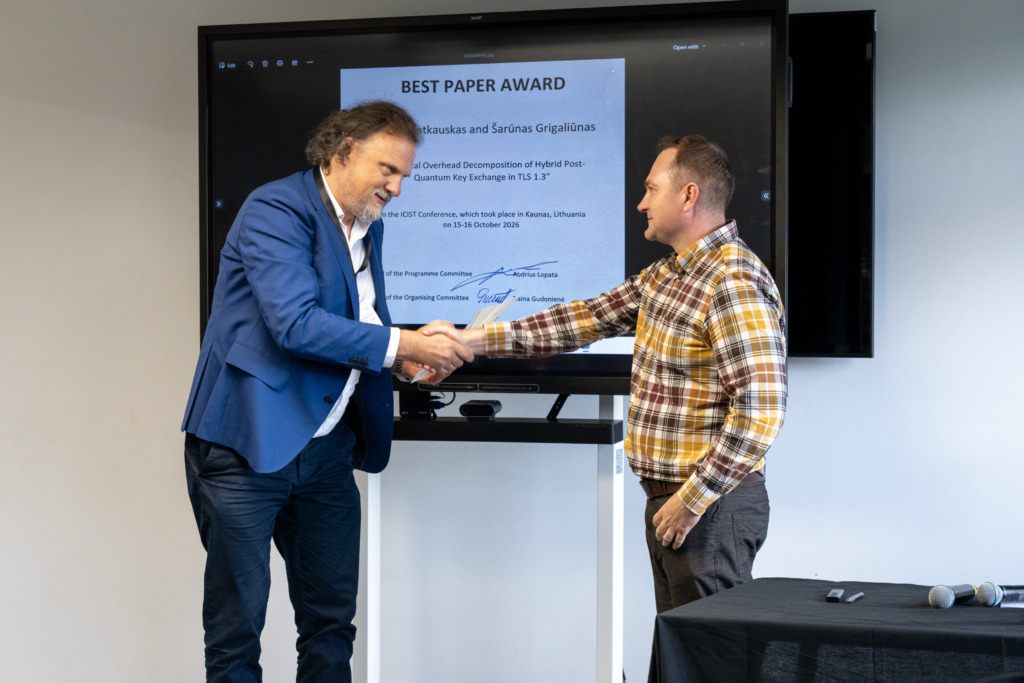
A significant part of the conference focused on cybersecurity. Presentations covered the development of the European Union Vulnerability Database, phishing website detection methods, post\-quantum security solutions, the use of artificial intelligence in threat identification, and the human role in governing generative AI systems.
“Quantum mechanics is difficult for us to understand, but the key point is that it can provide multiple answers and is inherently complex. People like to think there is a single answer, but the reality is that there is not; there is only perspective.”
Software engineering sessions covered adaptive learning approaches, data mining, document analysis automation, the reliability of large language models, and improvements in legal document retrieval systems. The conference also showcased research conducted by KTU scientists on simulation\-based learning in engineering education and inclusive technologies designed to support students with physical disabilities.
The final sessions focused on digital health solutions. Researchers presented methods for detecting multiple sclerosis lesions in magnetic resonance imaging, skin lesion classification models, and technologies for stress recognition based solely on visual data analysis. These studies demonstrated how artificial intelligence and advanced analytics can contribute to the development of innovative healthcare solutions.
ICIST continues to serve as an important international platform for researchers, academics, and technology developers, fostering collaboration, knowledge exchange, and innovation. This year’s conference once again demonstrated that artificial intelligence, cybersecurity, and advanced software engineering remain among the key technological fields shaping the future of society.