Skip to content
Orange background with three connected white building blocks and the text “9 Industry, Innovation and Infrastructure.” Represents the development of resilient infrastructure and sustainable industrialization.

Significant Recognition for KTU Faculty of Informatics Researchers on International Project Management Day

Important | 2026-11-20

On November 11th, Kaunas University of Technology (KTU) celebrated International Project Management Day for the seventh time. During the event, the University’s project activity results were reviewed, the most active project teams were recognized, and the traditional KTU Leopards 2026 awards were presented.

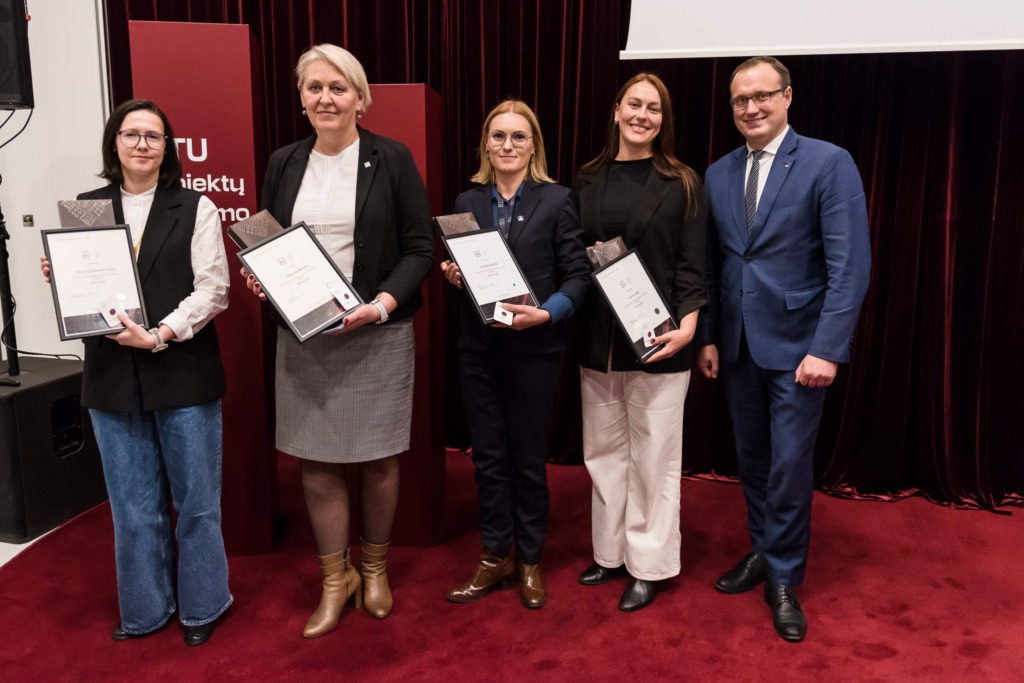
This year’s event brought particularly good news for the KTU Faculty of Informatics. The “Courage of the Year” award, granted to researchers who take on the responsibility of coordinating international project consortia, was presented to Professor Daina Gudonienė from the Faculty of Informatics.

The award recognized her leadership of the international project “Fostering Excellent Research, Training and Innovation in Science of AI and Robotics Network (FERTIS)”, which aims to strengthen research in artificial intelligence and robotics. The project brings together academic and industry partners from across Europe to enhance researchers’ competencies and establish long-term international collaboration networks.

Prof. Daina Gudonienė was nominated for "Courage of the Year".

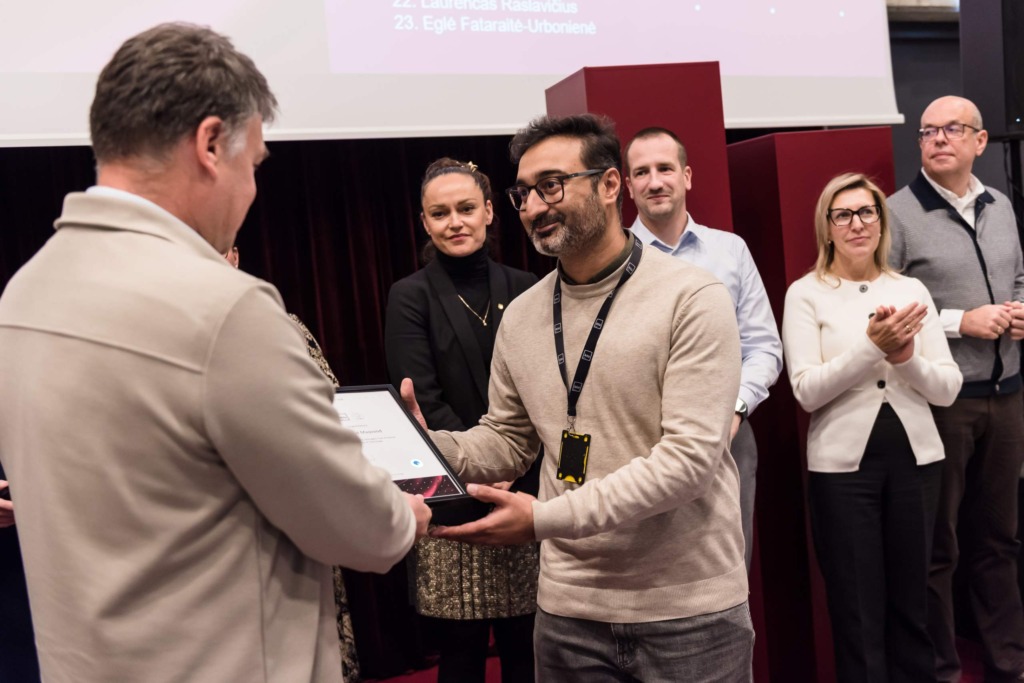
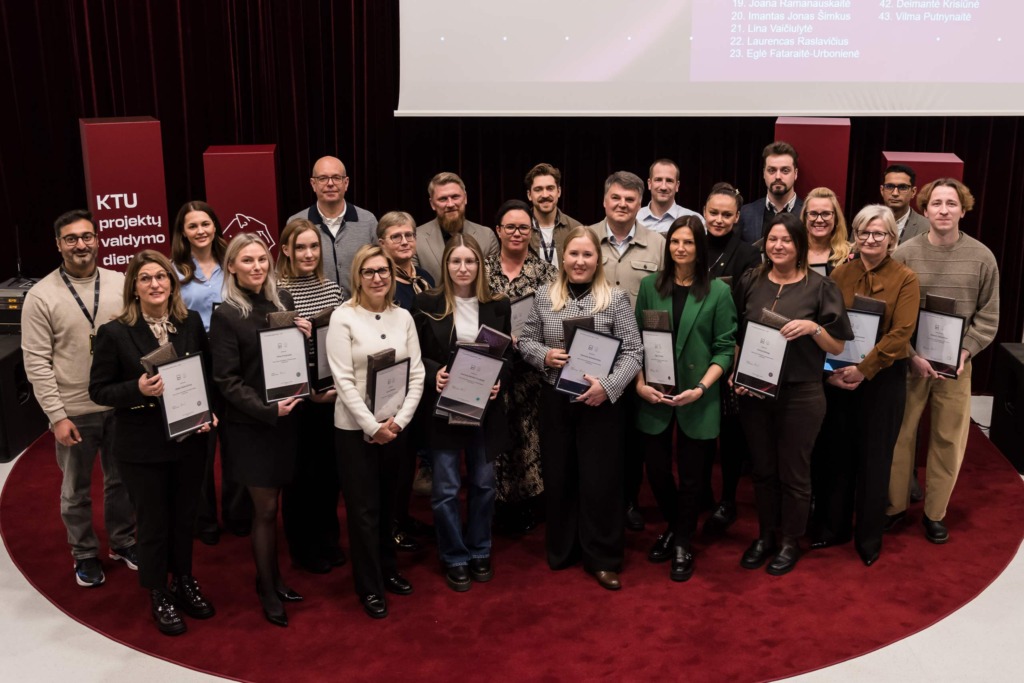
During the event, 43 new KTU project leaders were also recognized. Among them were two researchers from the KTU Faculty of Informatics: Eglė Butkevičiūtė and Sarmad Maqsood, who have taken responsibility for implementing international and national research projects.

New project manager – dr. Sarmad Maqsood

Sarmad Maqsood leads the project “Real-Time Interpretable Machine Learning to Predict Difficult Weaning from Mechanical Ventilation in Critically Ill Patients.” The project aims to support healthcare professionals in making more accurate clinical decisions by applying artificial intelligence and machine learning methods to predict difficulties in the process of weaning critically ill patients from mechanical ventilation.

Meanwhile, Eglė Butkevičiūtė leads the project “AI-Based Inclusive Higher Education (INEDU)”, which seeks to develop and implement artificial intelligence solutions that enhance accessibility and inclusion in higher education for students with diverse needs. The project explores how advanced technologies can contribute to personalized learning and more effective study processes.